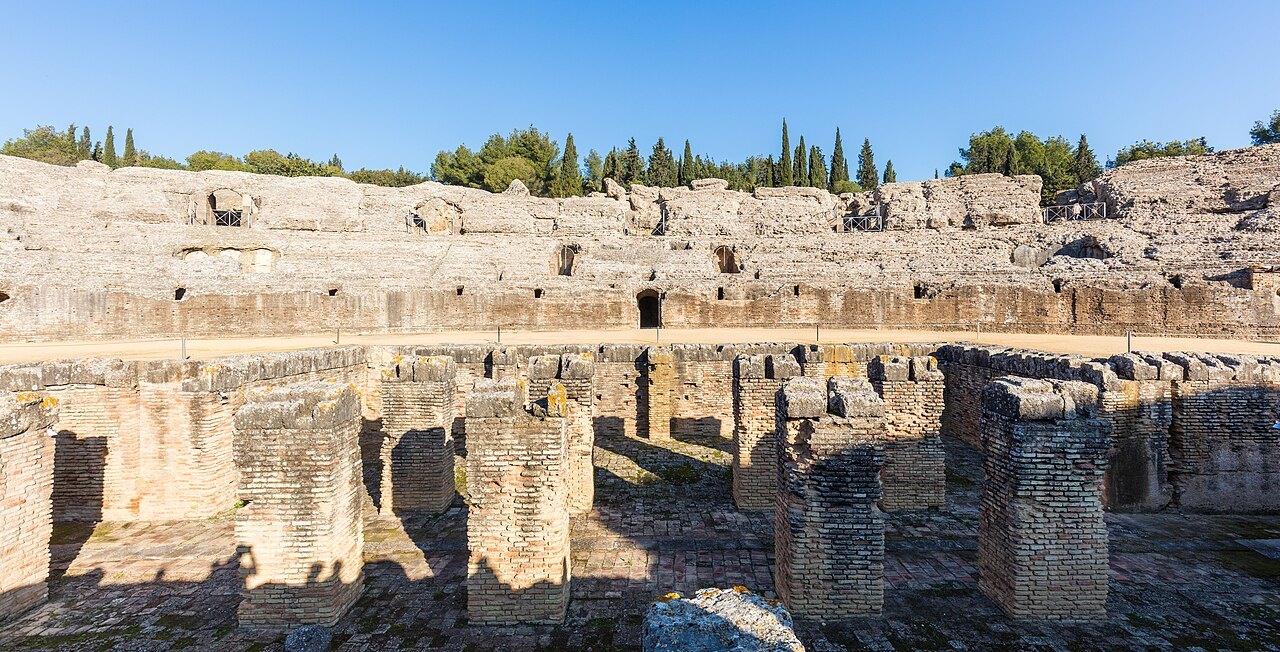
Itálica
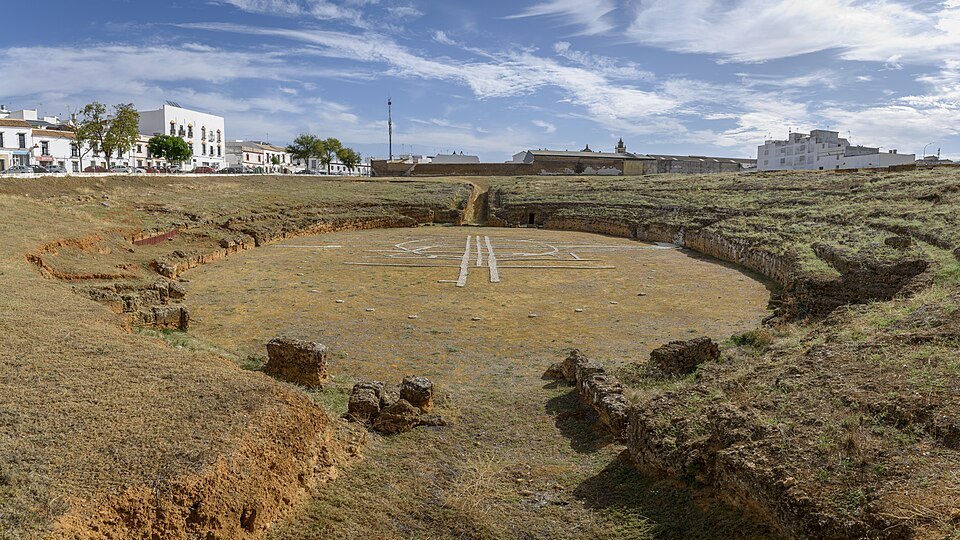
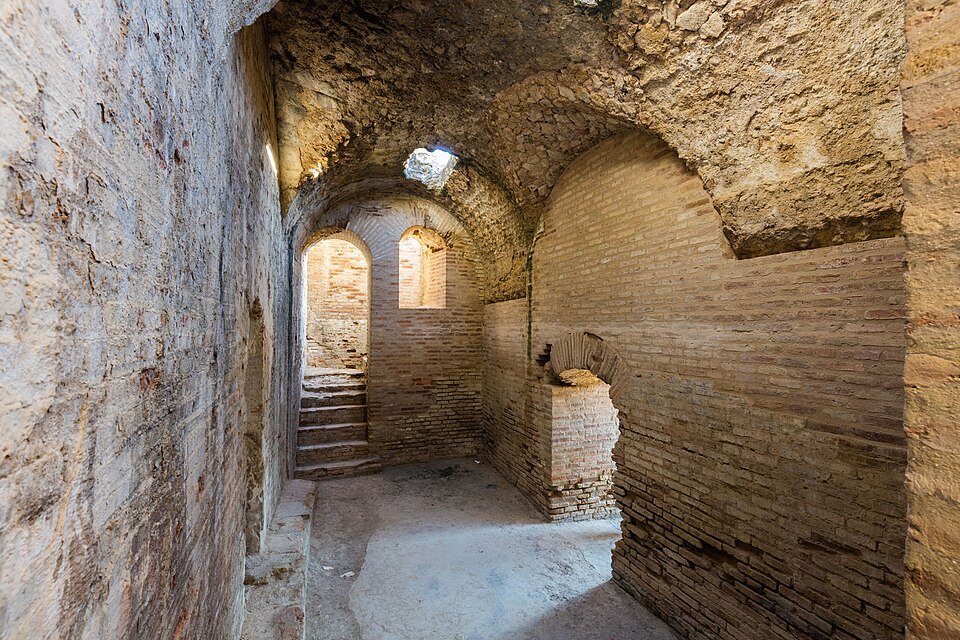
Itálica at Santiponce is half an hour out: a Roman city with one of the largest amphitheatres of the empire, and the birthplace of two emperors. ⚠️ Almost no shade — go in the morning.
Carmona and the white villages
Carmona is a walled hill town half an hour east with a Roman necropolis. The pueblos blancos further out — Arcos de la Frontera, Zahara de la Sierra — are a longer day and much easier with a car.
Ronda
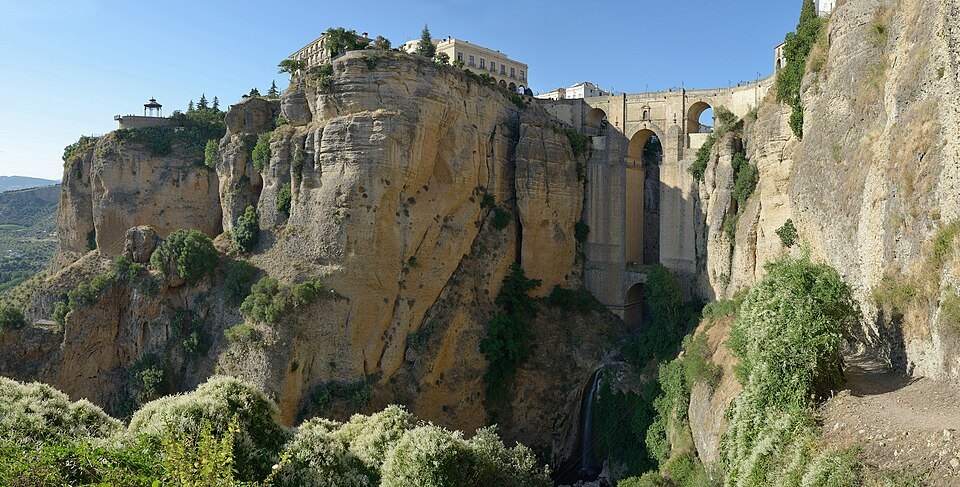
⭐ Ronda is a city, not a village. It stands on both sides of El Tajo, a sheer gorge, joined by the Puente Nuevo — the eighteenth-century bridge that is the most photographed thing in Andalusia outside the Alhambra.
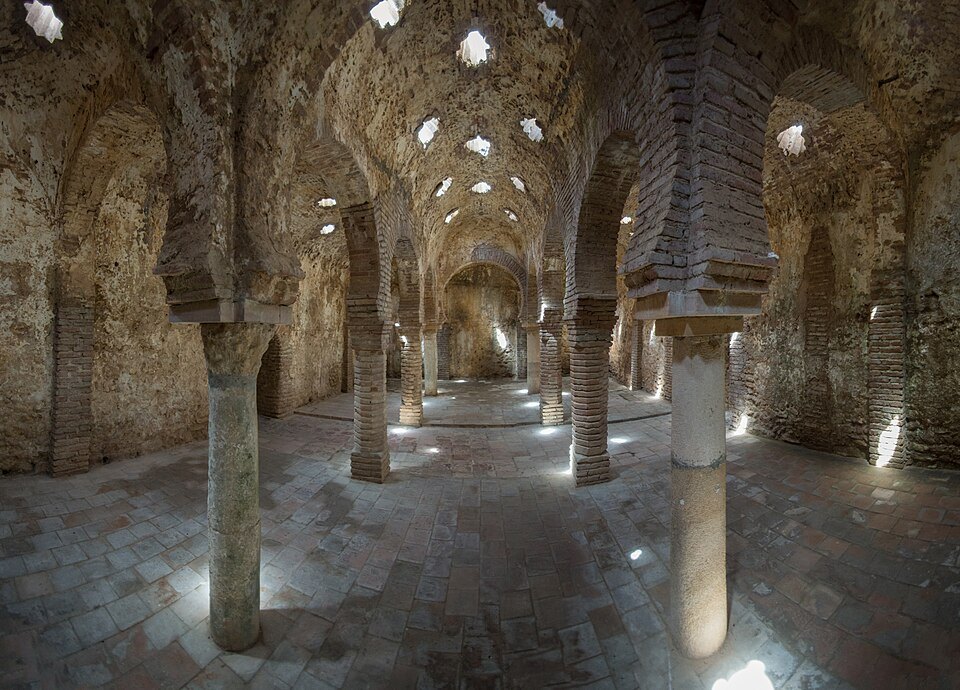
The old town on the south side, La Ciudad, keeps its Moorish street plan and the Mondragón Palace. The Plaza de Toros, opened in 1785, is one of the oldest bullrings in Spain, and the thirteenth-century Arab Baths lie down by the river below.
⚠️ It is about two hours by road, in Málaga province rather than Seville's, so it is a full day — and much simpler with a car than by bus.
Jerez and the coast
Jerez for sherry and horses, and Cádiz beyond it — an ancient port on a spit of land, and the city the Americas monopoly moved to when Seville's river silted.
⚠️ Córdoba and Granada are both reachable by train, but each deserves longer than a day — the Córdoba guide is built around the one hour of the day the Mezquita is not full.
Booking a day out
Some links on this page are affiliate links. If you book through one we may earn a commission, at no extra cost to you. It does not affect what is recommended here, and no sight page on this site carries one.
Itálica and Carmona are close enough to do on your own. Ronda, the white villages and the sherry bodegas at Jerez are the ones that are much easier with something booked.